
DISCOVER THE STORY BEHIND THE LANDSCAPE
Red Rock Canyon Open Space is more than a scenic destination. Its landscape reflects millions of years of geologic history and centuries of human connection, from ancient natural processes to modern conservation efforts.
A LANDSCAPE MILLIONS OF YEARS IN THE MAKING
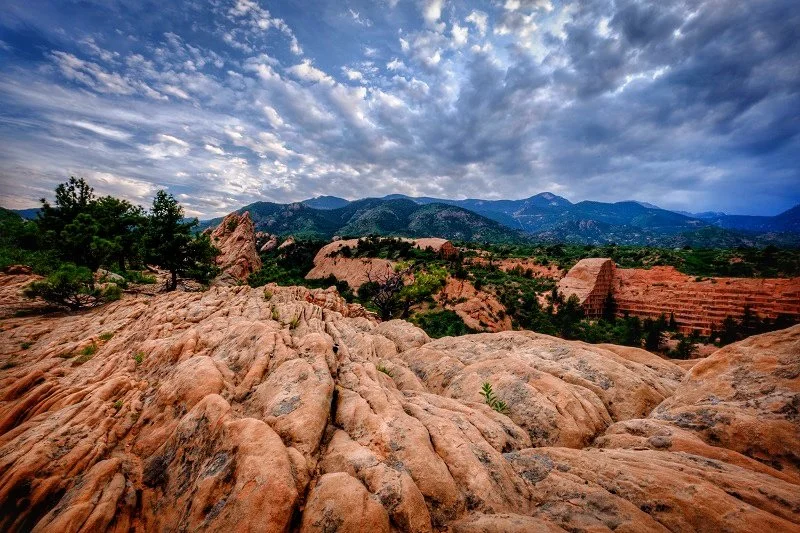
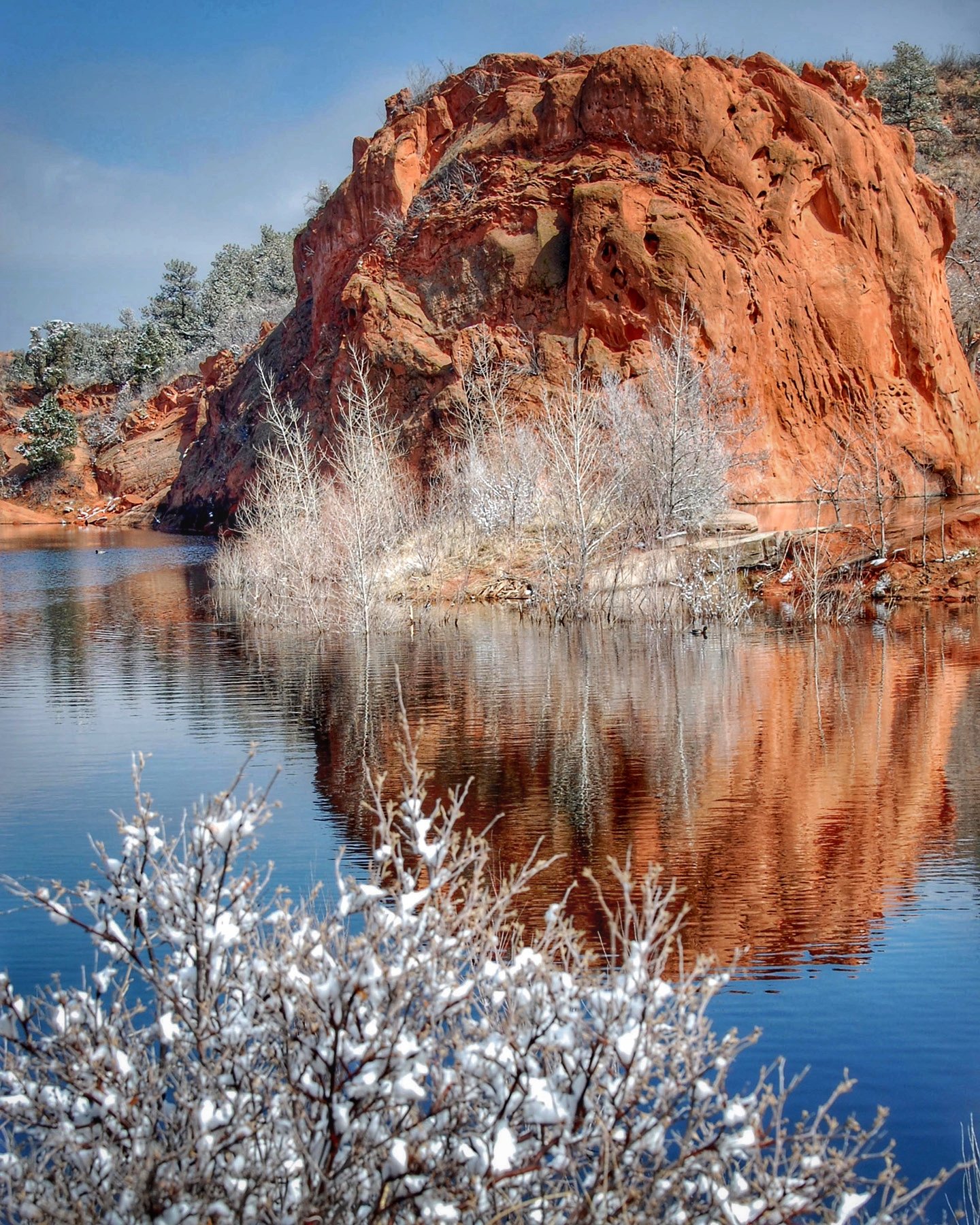
Eons before trails were carved and visitors arrived, the dramatic red rock formations of Red Rock Canyon were shaped over millions of years by shifting seas, rising mountains, and the relentless forces of wind and water. These layered sandstone cliffs tell a geologic story that reaches back to the age of the dinosaurs, when this region looked vastly different than it does today.
The striking red sandstone formations that define the canyon were formed over 250 million years ago, when this region was covered by vast inland seas and shifting deserts. Over time, layers of sediment hardened into rock, then tilted and uplifted as the Rocky Mountains began to rise.
Erosion from wind, rain, and snow gradually sculpted these formations ever since—creating the dramatic cliffs, ridges, and valleys you see today. These same processes continue to shape the land, making Red Rock Canyon a living example of Earth’s ever-changing geology.
🌿 Did You Know?
The red color of the rocks comes from iron oxide (rust) in the sandstone.
The rock layers here are similar to those found at nearby Garden of the Gods.
Some formations are older than the dinosaurs themselves, over 1.7 billion years old.
FIRST PEOPLES AND ANCIENT PATHS
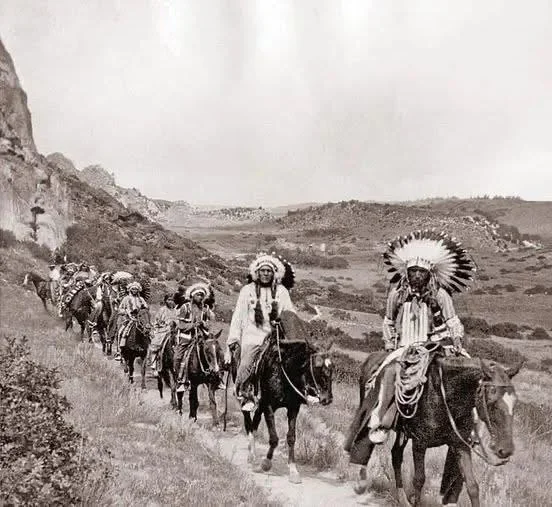
Long before Euro-American settlement, this land was part of the traditional territories of Indigenous peoples, including the ancestors of the Ute people and other Plains and mountain tribes. For thousands of years they traveled these valleys, hunted, gathered, and lived in deep relationships with the land. The canyon’s natural corridors served as pathways before modern trails, connecting communities and allowing seasonal movement across the region.
The land held cultural, spiritual, and practical significance—offering shelter, resources, and connection. While much of this history is not visible on the surface, it remains an important part of the canyon’s story and legacy.
🌿Did You Know?
Natural drainages and canyon corridors functioned as efficient travel routes across varied terrain.
Many Indigenous cultures viewed landscapes like this as living, sacred places, not just resources.
THE QUARRY ERA:
BUILDING A GROWING CITY
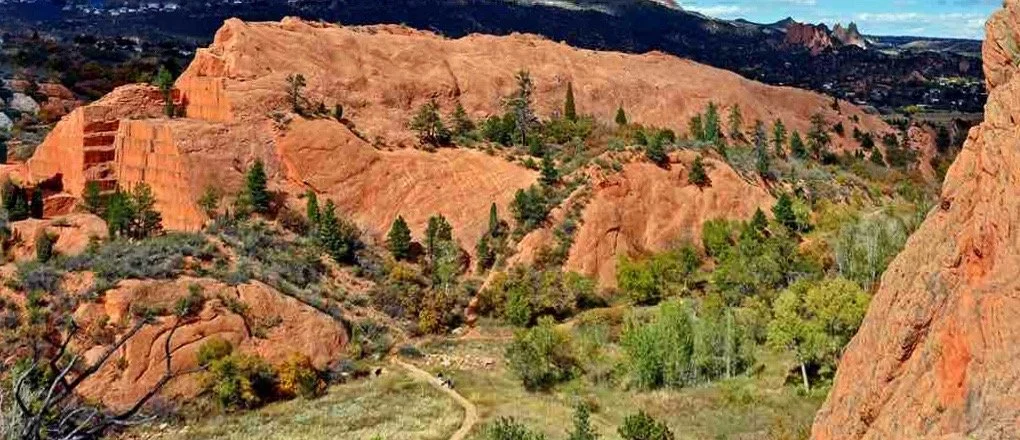
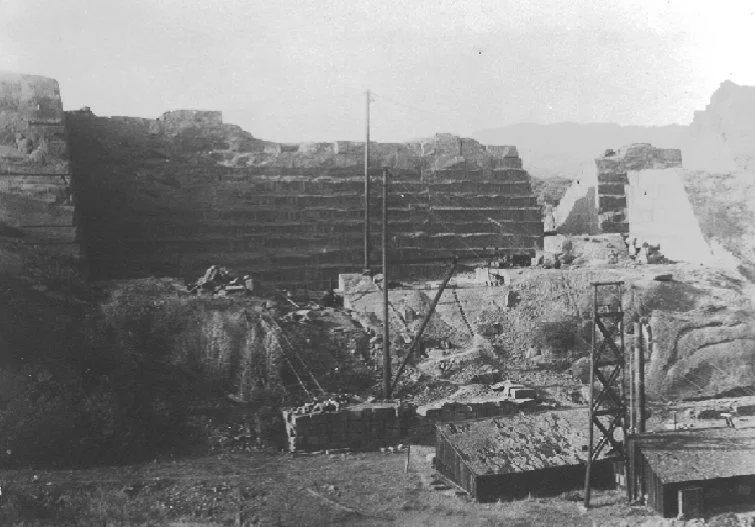
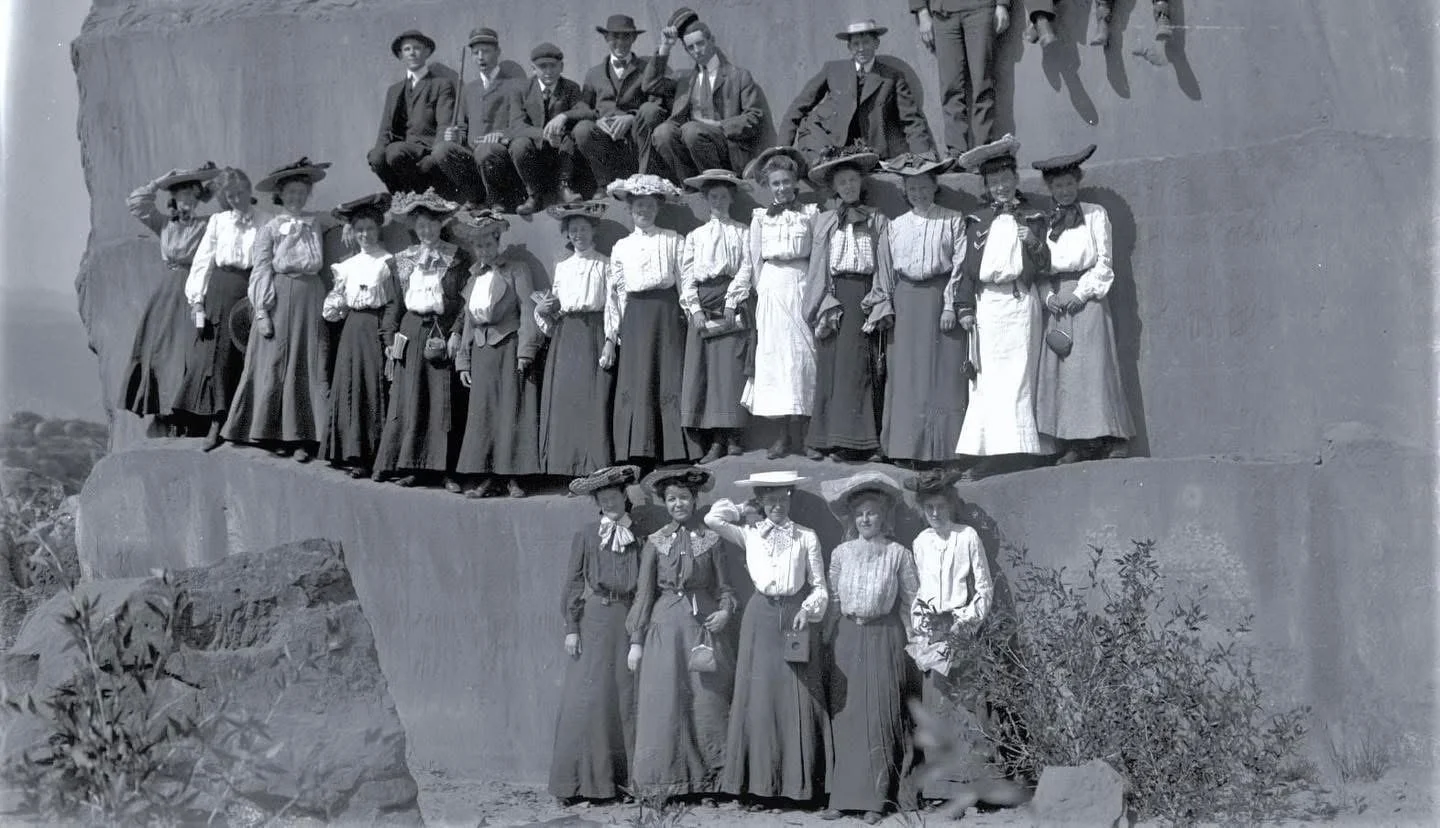
In the late 1800s and early 1900s, the canyon took on a new role. During the rapid growth of nearby Colorado Springs, it became an active quarry site. The canyon’s exposed sedimentary formations—especially the Lyons Sandstone—provided durable building material used in local buildings, roads, and infrastructure. Stone from the canyon can still be seen today at places such as the Red Crags in Manitou Springs.
Quarry operations changed the landscape of the canyons, creating vertical rock faces, stepped quarry walls, and flattened work areas that are still visible today. The excavation process also disturbed soils and native vegetation, creating environmental impacts that later restoration efforts have worked to address.
🌿 Did You Know?
Some of the stone used in early Colorado Springs buildings came directly from this canyon.
The flat areas you see today were often shaped by quarry operations over 100 years ago.
Quarry operations exposed fresh rock surfaces, making geologic layers more visible than in undisturbed areas.
A VISION FOR PRESERVATION
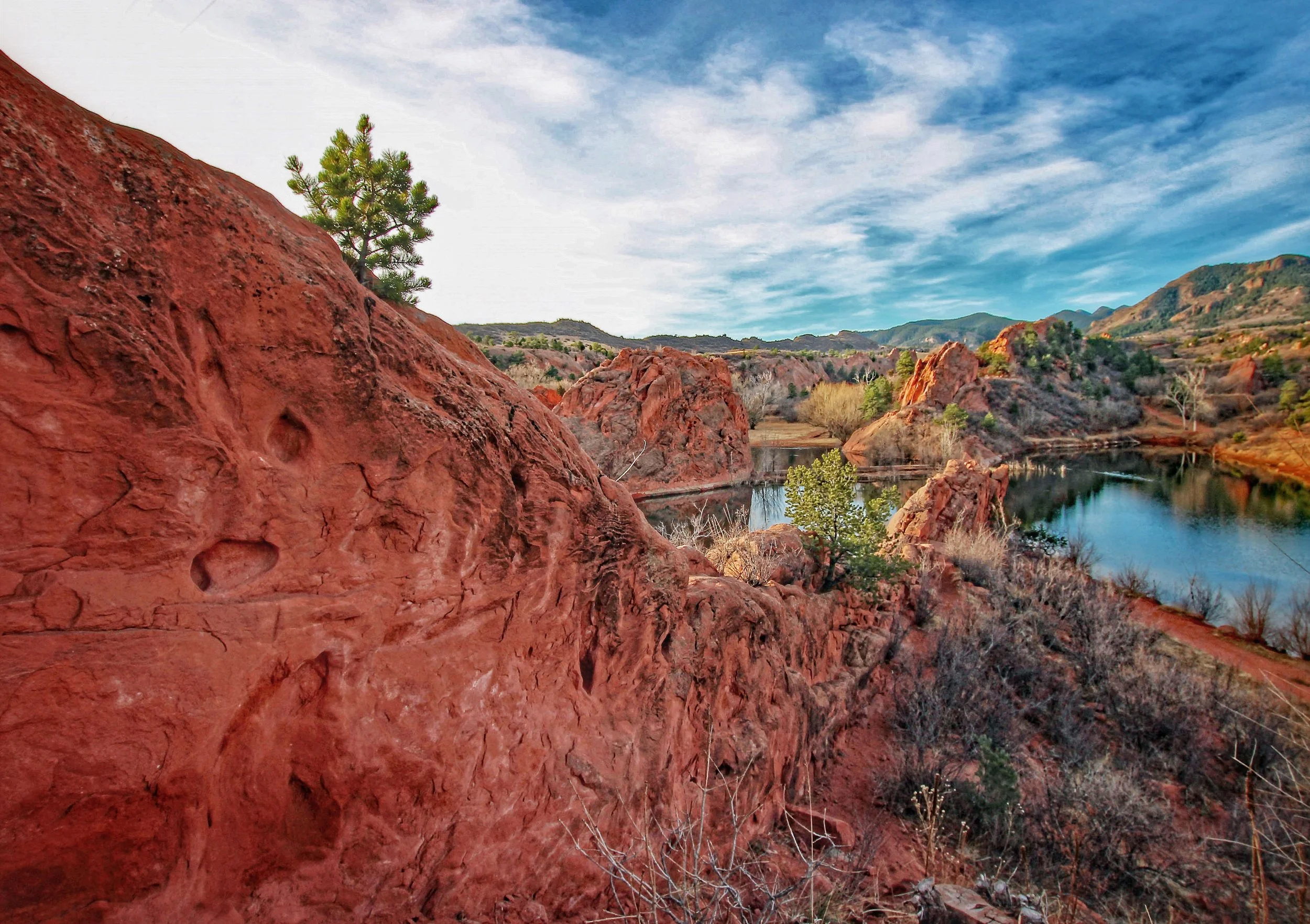
By the late 20th century, shifting values led to a re-evaluation of the canyon’s significance. As the city expanded, so did the desire to protect this remarkable landscape. Efforts grew to preserve the area—not as a resource to extract, but as a space to experience, restore, and share. Community members, local organizations, and city leaders recognized the importance of protecting this unique landscape—not only for its natural beauty, but also for its ecological and historical value.
In 2003, Red Rock Canyon was officially designated as an open space, marking a turning point in its story. The City of Colorado Springs acquired 789 acres of Red Rock Canyon area land for open space and parks. Of this 789 acres, 653 acres were purchased as TOPS open space which would be developed for “passive recreation” -hiking, climbing, cycling, horseback riding. The remaining area accommodates picnic areas, and a bicycle free ride area.
More recent purchases of adjacent properties, White Acres and Section 16, have expanded the total area to 1474 acres, bringing part of the popular Palmer Red Rock Loop Trail into Red Rock Canyon Open Space.
Restoration efforts began to repair previously impacted areas, stabilize trails, and support native plant and wildlife habitats. Trails were developed, habitats were protected, and the land entered a new chapter focused on conservation and recreation. This transition from industrial use to protected open space reflects a broader recognition of the ecological and community value of natural landscapes.
Many of the park’s trails and facilities have been developed and maintained through the dedicated efforts of volunteers. Click HERE to learn more about upcoming projects and ways to get involved.
🌿 Did You Know?
Restoration in Red Rock Canyon often starts below the surface—soil structure, drainage, and rock composition must be stabilized before native plants can successfully return.
What may look like “bare ground” is often a fragile early stage of recovery, where microbial communities and root systems are quietly rebuilding the ecosystem.
Many disturbed areas recover slowly because soils here are thin, rocky, and low in organic matter, meaning it can take decades for ecosystems to fully reestablish.
Because the canyon’s ecosystems are closely tied to its geology, even small disturbances—like stepping off trail—can disrupt long-term soil and vegetation recovery.
A LEGACY FOR FUTURE GENERATIONS
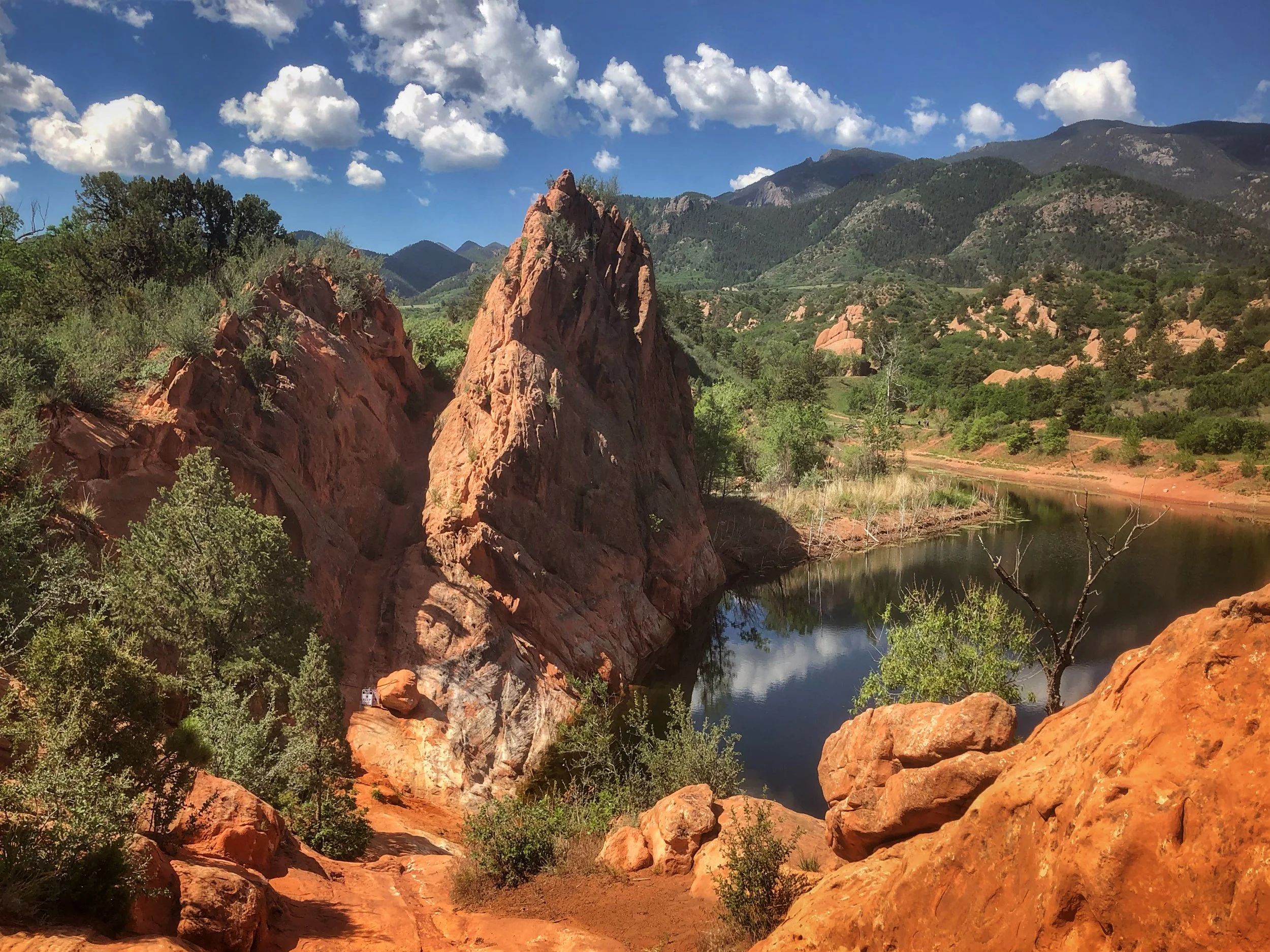
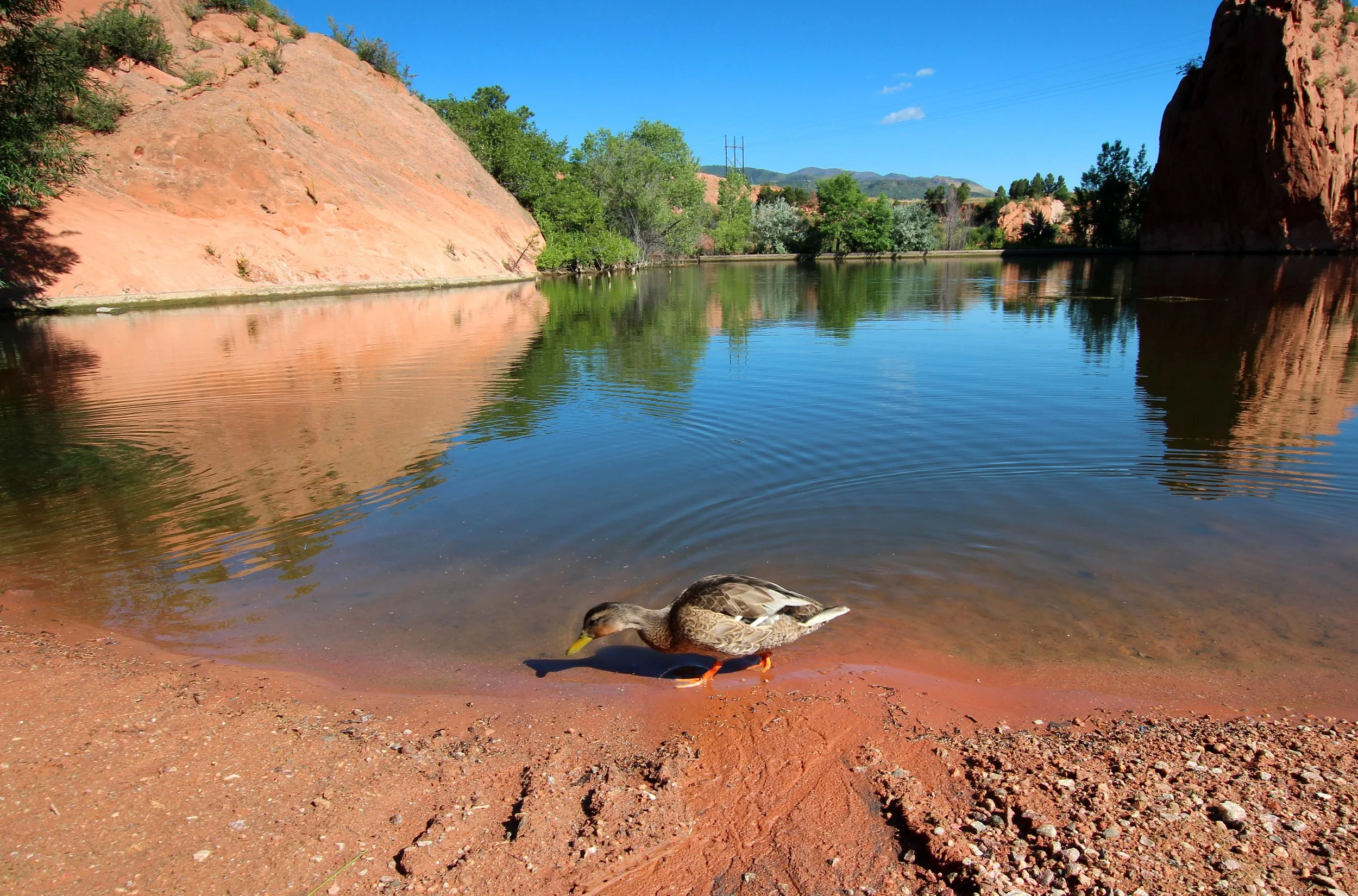
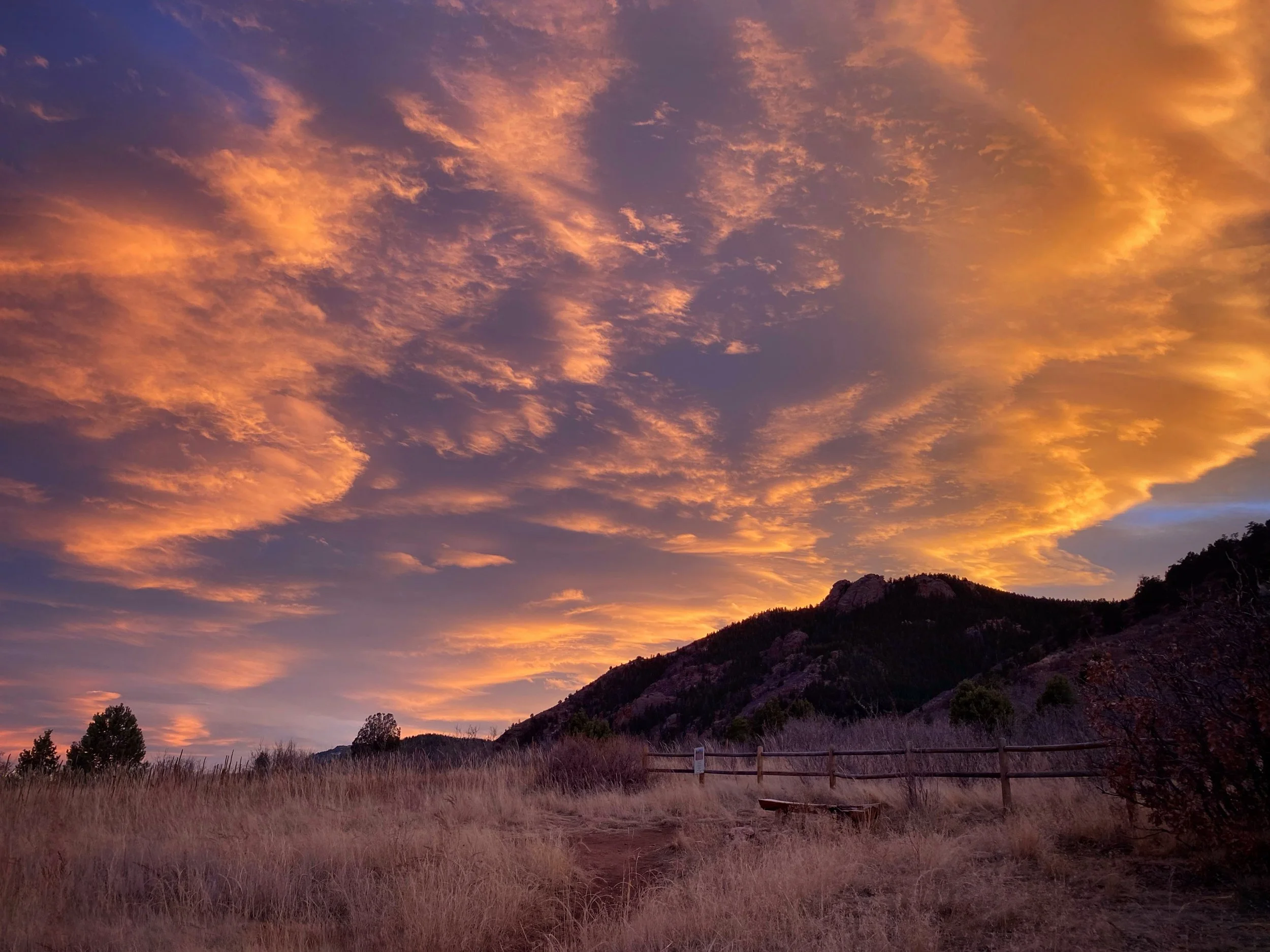
Today, Red Rock Canyon Open Space is a beloved destination for locals and visitors alike. With more than 40 miles of trails for hiking, biking, climbing, and exploring, it offers something for nearly every kind of outdoor experience. Visitors can hike among towering rock formations, bike along scenic paths, explore technical climbing routes, or simply take in the sweeping views that make this landscape so distinctive.
Interpretive signs and visible geologic features make the canyon an ideal destination for both learning and adventure. Beyond its dramatic scenery, Red Rock Canyon is also a remarkably diverse ecological landscape shaped by its underlying geology, elevation changes, slope orientation, and soil composition. These environmental variations create distinct microclimates that support a wide range of plant and animal communities.
Cooler, shaded canyon areas support Douglas fir and ponderosa pine forests
Dry, sun-facing slopes host piñon-juniper woodlands
Shrublands dominated by Gambel oak and mountain mahogany cover much of the area
Grasslands feature species such as yucca, prickly pear, and native grasses
Riparian zones near water sources support cottonwood and aspen
Wildlife throughout the area includes deer, coyotes, black bears, and mountain lions, along with smaller species such as rabbits, ground squirrels, horned lizards, and seasonal amphibians that emerge after summer rains. Together, these ecosystems reflect the ecological richness of this transitional landscape, where prairie, foothill, and mountain environments converge.
Whether visiting for the first time or returning again, Red Rock Canyon invites people to experience both its natural beauty and its rich geologic and ecological history. It also stands as an example of what is possible when a community chooses to protect and care for the places it values.
Ongoing conservation efforts continue to protect the canyon’s ecosystems, manage visitor impact, and preserve its unique character for future generations. By staying on designated trails, respecting wildlife, and practicing Leave No Trace principles, visitors play an important role in helping preserve this landscape as a place of recreation, learning, and connection for years to come.
🌿 Did You Know?
The park is popular for mountain biking and technical rock climbing.
You can explore multiple ecosystems in a single visit—from open meadows to rugged canyon terrain.
It’s one of the few places in the area where so many activities coexist in one open space.
LEAVE NO TRACE
Leave No Trace principles help protect natural spaces like Red Rock Canyon Open Space by reducing human impact and preserving the landscape for future generations. In environments shaped by slow geologic and ecological processes, even small actions can have lasting effects.
Stay on designated trails to prevent erosion and protect fragile soils and vegetation
Pack out all trash and waste, leaving no trace of your visit behind
Respect wildlife by observing from a distance and never feeding animals
Leave rocks, plants, and cultural features as you find them
Minimize impact in sensitive areas, especially where soils are thin or easily disturbed
Be mindful of noise and group size to preserve the natural experience for others
Plan ahead and prepare to reduce risk and avoid unintended damage to the environment
By following these practices, visitors help maintain the ecological integrity, geological stability, and natural beauty of the canyon, ensuring it remains a place of exploration and connection for years to come.